Sales: (866) 435-6001
Service: (905) 238-6000

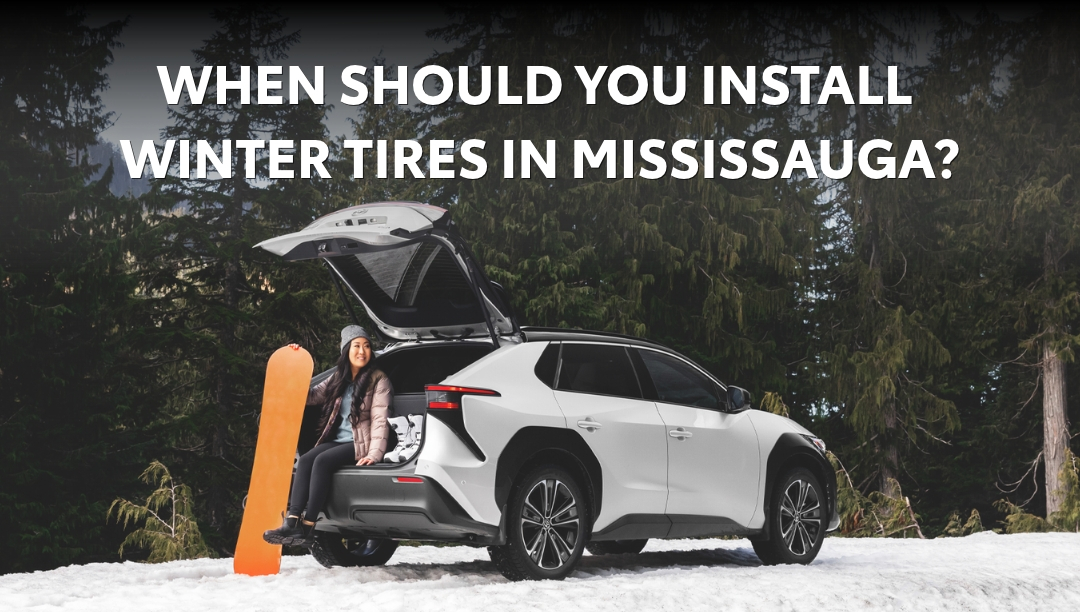
When should you put winter tires on your vehicle in Mississauga? It is a question many Ontario drivers start asking when temperatures begin to drop. Unlike some provinces, Ontario does not have a general mandatory winter tire installation period for passenger vehicles. However, waiting until the first snowfall can make it harder to find an appointment and leave you less prepared for changing road conditions.
The best time to plan your seasonal tire change is before winter weather arrives. Understanding how temperature affects tire performance, what Ontario drivers should consider and why booking early matters can help you prepare with confidence.
Here is what you need to know before winter arrives in Mississauga.
A useful guideline is to consider switching to winter tires when temperatures consistently reach approximately 7°C or lower. This is not a legal deadline in Ontario. It is a practical guideline because the rubber compounds used in many all-season tires can become less flexible as temperatures drop. Winter tires are designed to maintain better flexibility in cold conditions, helping provide traction when roads are cold, snowy or icy.
In Mississauga, fall temperatures can fluctuate. A few warm afternoons do not necessarily mean winter is far away, and the first snowfall is not the best signal to start planning your appointment. Instead, pay attention to the general temperature trend and schedule your tire change before the busy season begins. This gives you more flexibility when choosing an appointment that fits your schedule.
No. Ontario does not require most passenger vehicles to have winter tires installed during a specific period of the year. However, choosing winter tires is still an important consideration for drivers who regularly travel in cold-weather conditions. Snow, freezing rain, black ice and cold pavement can all affect how your vehicle responds when braking, accelerating or turning.
Ontario’s winter driving guidance recommends using four winter tires and checking them regularly for wear and pressure. The province also notes that winter tires can improve traction and control in frost, snow and icy conditions. Some insurance companies offer a discount to drivers who install winter tires. The details and eligibility requirements can vary, so it is worth contacting your insurance provider to confirm what applies to your policy.
Your driving habits and the conditions you encounter should guide your decision. Even if you mainly drive around Mississauga, winter weather can affect local roads, residential streets, parking lots and major routes. Consider your typical commute. Do you drive to work early in the morning, when roads may still be icy? Or do you regularly travel along busy routes such as Highway 401, Highway 403 or the QEW? Do you need your vehicle every day, regardless of the weather?
Winter tires are designed for cold-weather conditions and can provide benefits when temperatures fall, even before roads are covered in snow. They are not only intended for deep snow. If you rely on your vehicle throughout the winter, installing a dedicated set of winter tires can help you prepare for a wider range of seasonal road conditions.
All-season tires are designed to provide versatility across different driving conditions, but they are not the same as winter tires. As temperatures fall, the rubber compound in many all-season tires can become harder, which can affect grip. Winter tires are specifically designed for cold temperatures and winter road conditions.
One way to identify a tire designed for severe snow conditions is to look for the three-peak mountain snowflake symbol on its sidewall. This symbol indicates that the tire meets specific performance requirements for severe snow conditions. If you are unsure which tires are currently installed on your vehicle, a tire inspection can help determine their type, condition and suitability for the season.
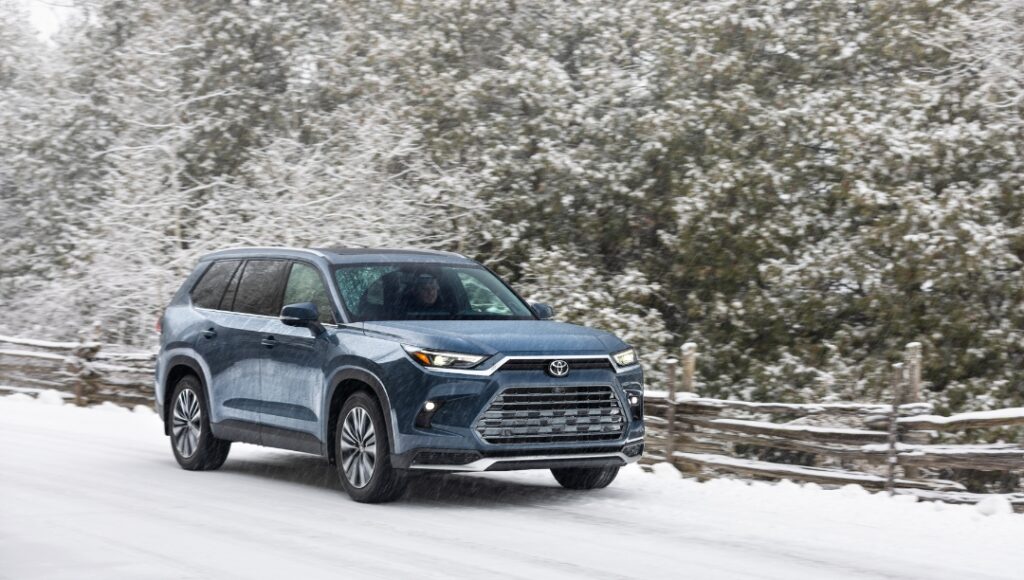
Waiting until the first snowfall can create two challenges. First, you may find yourself driving in colder conditions before your vehicle is equipped with appropriate tires. Weather can change quickly, and the first icy morning may arrive before the first major snowfall. Second, tire service appointments become more popular as winter approaches. Many drivers try to book around the same time, which can reduce appointment availability and make it harder to find a time that works with your schedule.
Planning ahead gives you more flexibility. It also means you can take care of your seasonal tire change before winter conditions become more frequent.
The best approach is to book before the seasonal rush, rather than waiting until temperatures have dropped significantly or snow is in the forecast. If you already have a set of winter tires, check their condition and make sure they are ready to be installed. If you need to purchase a new set, allow time to compare available options and confirm the correct fitment for your vehicle.
At Dixie Toyota, our team can help you review tire options for your Toyota and arrange an installation appointment. If you are purchasing your tires through the dealership, ask about the availability of same-day or next-day installation appointments at the time of purchase. Availability can vary depending on the season, tire selection and service schedule, so it is always best to confirm the timing with our team.
Before your appointment, take a moment to consider the condition of your winter tire set.
Tread depth: Tires with worn tread may not provide the traction you need in snow and severe winter conditions. Transport Canada advises drivers not to use winter tires with less than 4 mm of tread depth for snow-covered roads or severe snow conditions.
Tire age and condition: Look for visible cracks, damage, bulges or other signs of deterioration. If you are unsure, have the tires inspected by a qualified technician.
Tire pressure: Cold weather can lower tire pressure. Make sure your tires are inflated according to your vehicle manufacturer’s recommendations.
Correct fitment: Confirm that the tire size and specifications are appropriate for your vehicle. Your owner’s manual or tire information label can help identify the recommended size.
It is also important to install four winter tires rather than mixing winter and non-winter tires on the same vehicle.
If you need a new set, purchasing your tires before the busiest part of the season can give you more time to consider your options. The right tire depends on your vehicle, driving habits and budget. Different winter tires are designed with different priorities, such as traction on snow, performance on ice, road noise and overall driving comfort.
At Dixie Toyota, you can ask our team about available winter tire options for your Toyota, including suitable packages for models such as the Corolla, Camry, RAV4, Highlander, bZ and Sienna. Availability and fitment depend on the model, year and trim. Once you have selected your tires, ask about installation scheduling so you can plan the change before winter conditions become more challenging.
Preparing for winter does not need to happen at the last minute. By checking your tires early, choosing the right set and arranging your installation in advance, you can make the transition to colder weather easier. Whether you drive a Corolla for your daily commute, a RAV4 for family trips or another Toyota model, Dixie Toyota can help you explore your winter tire options and plan your seasonal service.
Contact our team or visit Dixie Toyota in Mississauga to get your vehicle ready for the season.
Approximately 7°C is a commonly used guideline. Consider switching when temperatures consistently reach this range, rather than waiting for the first snowfall.
No. Ontario does not have a general mandatory winter tire period for passenger vehicles. However, winter tires can improve traction and control in cold, snowy and icy conditions.
Ontario’s winter driving guidance notes that drivers may receive an insurance discount. Contact your insurer to confirm the discount and any requirements that apply to your policy.
You should install four winter tires. Mixing different tire types can affect vehicle handling and stability.
Dixie Toyota can help you explore winter tire options for your Toyota and arrange an installation appointment. Contact the dealership to confirm current availability and scheduling.